
專注綠色建筑裝飾材料
經(jīng)營管理理念:讓客戶用的放心!
24小時服務(wù)熱線:
13864111871
專注綠色建筑裝飾材料
經(jīng)營管理理念:讓客戶用的放心!
24小時服務(wù)熱線:
13864111871

濟(jì)南福華建材廠
聯(lián)系人:吳老師
電話:
手機(jī):13864111871
0531-81901300
地址:山東省濟(jì)南市高新開發(fā)區(qū)巨野河辦事處山圈村西
外墻保溫用濟(jì)南抹面砂漿正確施工指南:每一步都關(guān)乎保溫與抗裂
來源:http://www.zzmdwxsh.com 日期:2025-12-17 發(fā)布人:
外墻保溫抹面砂漿正確施工指南:每一步都關(guān)乎保溫與抗裂
Correct construction guide for exterior wall insulation plastering mortar: Each step is related to insulation and crack resistance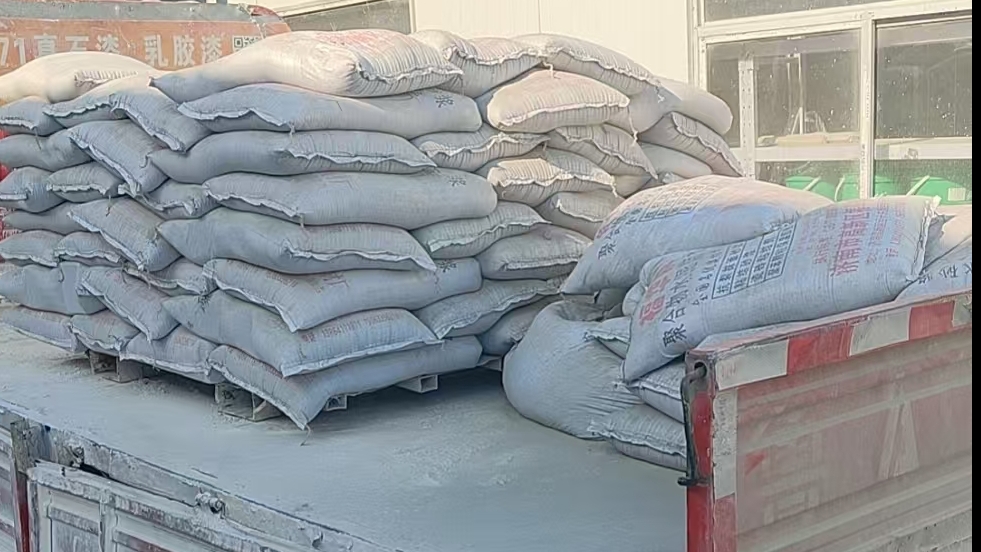
在外墻保溫系統(tǒng)中,抹面砂漿是連接保溫板與外層裝飾的關(guān)鍵紐帶,它不僅要確保保溫板穩(wěn)固貼合,還要抵御外界環(huán)境影響,防止墻面開裂、空鼓。不少施工團(tuán)隊因步驟不當(dāng),導(dǎo)致后期出現(xiàn)保溫失效、墻面破損等問題。作為專業(yè)抹面砂漿生產(chǎn)廠家,今天就為大家拆解外墻保溫用抹面砂漿的正確施工流程,幫大家掌握規(guī)范操作,避開常見誤區(qū)。
In the external wall insulation system, plastering mortar is the key link between the insulation board and the outer decoration. It not only ensures a stable fit of the insulation board, but also resists external environmental influences to prevent wall cracking and hollowing. Many construction teams have encountered issues such as insulation failure and wall damage in the later stages due to improper procedures. As a professional manufacturer of plastering mortar, today we will dismantle the correct construction process of plastering mortar for external wall insulation, help you master the standardized operation, and avoid common misunderstandings.
施工的第一步是砂漿攪拌,這是保證后續(xù)性能的基礎(chǔ)。需嚴(yán)格遵循廠家提供的配比——不同型號、不同批次的抹面砂漿,清水與干粉的比例可能存在差異,切勿憑經(jīng)驗隨意調(diào)整。將保溫砂漿干粉與潔凈清水倒入攪拌桶,用電動攪拌器充分?jǐn)嚢瑁敝辽皾{形成均勻無顆粒的糊狀,攪拌完成后靜置2-3分鐘,再進(jìn)行二次輕微攪拌,讓砂漿質(zhì)地更細(xì)膩、粘稠度更適中。過稀的砂漿會導(dǎo)致粘結(jié)力不足,容易出現(xiàn)脫層;過稠則難以涂抹平整,還可能因內(nèi)部水分分布不均引發(fā)開裂。
The first step in construction is mortar mixing, which is the foundation for ensuring subsequent performance. Strictly follow the ratio provided by the manufacturer - there may be differences in the ratio of water to dry powder for different types and batches of plastering mortar, and do not adjust it arbitrarily based on experience. Pour the dry powder of insulation mortar and clean water into the mixing bucket, and mix thoroughly with an electric mixer until the mortar forms a uniform and particle free paste. After mixing, let it stand for 2-3 minutes, and then perform a second slight mixing to make the mortar texture finer and the viscosity more moderate. Too thin mortar can lead to insufficient bonding strength and easy delamination; If it is too thick, it is difficult to apply evenly and may also cause cracking due to uneven distribution of internal moisture.
攪拌完成后進(jìn)入涂抹環(huán)節(jié),核心是控制厚度與平整度。用抹子將糊狀砂漿均勻涂抹在保溫板表面,厚度需精準(zhǔn)控制在5毫米左右。這個厚度既能保證砂漿與保溫板充分接觸,形成牢固粘結(jié),避免出現(xiàn)虛粘或空隙,又能為后續(xù)抗裂材料的壓入預(yù)留空間。涂抹時可借助靠尺實時校準(zhǔn),確保砂漿層整體平整,避免局部過厚或過薄——局部過厚會因干燥收縮速度不同產(chǎn)生裂縫,過薄則可能無法完全覆蓋保溫板,影響保溫與粘結(jié)效果。
After mixing is completed, it enters the application process, with the core being to control the thickness and flatness. Apply the paste mortar evenly on the surface of the insulation board with a trowel, and the thickness should be precisely controlled at around 5 millimeters. This thickness can ensure sufficient contact between the mortar and the insulation board, form a strong bond, avoid virtual adhesion or gaps, and reserve space for the subsequent pressing of crack resistant materials. When applying, a ruler can be used for real-time calibration to ensure the overall smoothness of the mortar layer and avoid local over thickness or over thickness - local over thickness may cause cracks due to different drying shrinkage rates, while over thickness may not fully cover the insulation board, affecting the insulation and bonding effect.
涂抹之后的壓實與抗裂處理,是提升墻面耐用性的關(guān)鍵。立即用保溫砂漿板對砂漿層進(jìn)行整體壓實,力度要均勻,確保砂漿與保溫板之間無空氣夾層,徹底提升粘結(jié)強(qiáng)度。隨后根據(jù)墻面需求,將耐堿網(wǎng)格布或鋼絲網(wǎng)平鋪在砂漿表面,再用抹子輕輕壓入砂漿層中,讓網(wǎng)格布/鋼絲網(wǎng)與砂漿緊密貼合,邊緣處需預(yù)留5-10厘米的搭接寬度,避免出現(xiàn)縫隙。普通外墻場景用耐堿網(wǎng)格布即可滿足抗裂需求,高層、易受外力沖擊的區(qū)域則建議選用鋼絲網(wǎng),通過這種方式分散墻體受力,有效抵御溫度變化、墻體沉降帶來的開裂風(fēng)險。
The compaction and crack resistance treatment after application is the key to improving the durability of the wall. Immediately use insulation mortar board to compact the mortar layer as a whole, with even force, ensuring that there is no air interlayer between the mortar and insulation board, and thoroughly improving the bonding strength. Subsequently, according to the wall requirements, lay the alkali resistant mesh cloth or steel wire mesh flat on the mortar surface, and then gently press it into the mortar layer with a trowel to ensure that the mesh cloth/steel wire mesh is tightly adhered to the mortar. A 5-10 centimeter overlap width should be reserved at the edge to avoid gaps. Alkali resistant mesh fabric can meet the crack resistance requirements for ordinary exterior wall scenes, while steel wire mesh is recommended for high-rise and easily impacted areas to disperse the stress on the wall and effectively resist the risk of cracking caused by temperature changes and wall settlement.
最后一步是固化后的研磨處理,為后續(xù)裝飾打下基礎(chǔ)。需等待抹面砂漿完全固化,固化時間需根據(jù)環(huán)境調(diào)整——常溫(5-35℃)、通風(fēng)良好的條件下通常需要24-48小時,期間避免觸碰或淋雨,防止砂漿層變形。固化完成后,用專用的保溫砂漿刮刀對表面進(jìn)行研磨,將凸起、毛糙的部位打磨光滑,使砂漿層表面平整一致。平整的砂漿層能讓后續(xù)外墻涂料、外墻磚等裝飾材料更好地貼合,避免因表面不平整導(dǎo)致裝飾層空鼓、脫落。
The final step is the grinding treatment after solidification, laying the foundation for subsequent decoration. It is necessary to wait for the plaster mortar to fully cure, and the curing time needs to be adjusted according to the environment - it usually takes 24-48 hours under normal temperature (5-35 ℃) and good ventilation conditions, during which contact or rain should be avoided to prevent deformation of the mortar layer. After curing is completed, use a specialized insulation mortar scraper to grind the surface, smooth out the raised and rough areas, and make the surface of the mortar layer flat and consistent. A flat mortar layer can better adhere to subsequent decorative materials such as exterior wall coatings and bricks, avoiding hollowing and peeling of the decorative layer due to uneven surfaces.
廠家專業(yè)施工提示
Manufacturer's professional construction tips
作為生產(chǎn)廠家,還需提醒大家?guī)讉€易忽視的細(xì)節(jié):攪拌時務(wù)必使用潔凈清水,含雜質(zhì)、油污的水會破壞砂漿成分,影響粘結(jié)與抗裂性能;施工環(huán)境溫度需控制在5-35℃,雨天、大風(fēng)天或墻面有明水時禁止施工,低溫會延緩固化,高溫大風(fēng)則會導(dǎo)致砂漿快速失水開裂;耐堿網(wǎng)格布、鋼絲網(wǎng)需選擇與抹面砂漿適配的產(chǎn)品,避免因材料兼容性差影響整體性能。若施工中遇到疑問,可隨時聯(lián)系廠家獲取技術(shù)指導(dǎo),確保每一步操作都符合規(guī)范。
As a manufacturer, it is important to remind everyone of several overlooked details: clean water must be used when mixing, as water containing impurities and oil stains can damage the composition of the mortar, affecting bonding and crack resistance; The construction environment temperature should be controlled between 5-35 ℃. Construction is prohibited on rainy or windy days, or when there is visible water on the wall. Low temperatures can delay curing, while high temperatures and strong winds can cause rapid dehydration and cracking of the mortar; Alkali resistant mesh cloth and steel wire mesh should be selected products that are compatible with the plastering mortar to avoid affecting the overall performance due to poor material compatibility. If you encounter any questions during construction, you can contact the manufacturer at any time for technical guidance to ensure that every step of the operation complies with the specifications.
結(jié)語
Conclusion
外墻保溫抹面砂漿的施工沒有“捷徑”,從攪拌配比到表面研磨,每一個環(huán)節(jié)的嚴(yán)謹(jǐn)性都直接關(guān)系到外墻的保溫效果、抗裂能力與使用壽命。掌握正確施工流程,不僅能發(fā)揮抹面砂漿的核心作用,更能減少后期維修成本。我們作為專業(yè)廠家,不僅提供符合標(biāo)準(zhǔn)的優(yōu)質(zhì)抹面砂漿,還會為客戶提供全程施工支持,助力大家打造耐用、安全的外墻保溫系統(tǒng)。 外墻保溫抹面砂漿正確施工指南:每一步都關(guān)乎保溫與抗裂
There is no shortcut to the construction of exterior wall insulation plastering mortar. From mixing ratio to surface grinding, the rigor of each step directly affects the insulation effect, crack resistance, and service life of the exterior wall. Mastering the correct construction process can not only play the core role of plastering mortar, but also reduce maintenance costs in the later stage. As a professional manufacturer, we not only provide high-quality plastering mortar that meets standards, but also offer full process construction support to customers, helping them create durable and safe exterior wall insulation systems. Correct construction guide for exterior wall insulation plastering mortar: Each step is related to insulation and crack resistance
在外墻保溫系統(tǒng)中,抹面砂漿是連接保溫板與外層裝飾的關(guān)鍵紐帶,它不僅要確保保溫板穩(wěn)固貼合,還要抵御外界環(huán)境影響,防止墻面開裂、空鼓。不少施工團(tuán)隊因步驟不當(dāng),導(dǎo)致后期出現(xiàn)保溫失效、墻面破損等問題。作為專業(yè)抹面砂漿生產(chǎn)廠家,今天就為大家拆解外墻保溫用抹面砂漿的正確施工流程,幫大家掌握規(guī)范操作,避開常見誤區(qū)。
In the external wall insulation system, plastering mortar is the key link between the insulation board and the outer decoration. It not only ensures a stable fit of the insulation board, but also resists external environmental influences to prevent wall cracking and hollowing. Many construction teams have encountered issues such as insulation failure and wall damage in the later stages due to improper procedures. As a professional manufacturer of plastering mortar, today we will dismantle the correct construction process of plastering mortar for external wall insulation, help you master the standardized operation, and avoid common misunderstandings.
施工的第一步是砂漿攪拌,這是保證后續(xù)性能的基礎(chǔ)。需嚴(yán)格遵循廠家提供的配比——不同型號、不同批次的抹面砂漿,清水與干粉的比例可能存在差異,切勿憑經(jīng)驗隨意調(diào)整。將保溫砂漿干粉與潔凈清水倒入攪拌桶,用電動攪拌器充分?jǐn)嚢瑁敝辽皾{形成均勻無顆粒的糊狀,攪拌完成后靜置2-3分鐘,再進(jìn)行二次輕微攪拌,讓砂漿質(zhì)地更細(xì)膩、粘稠度更適中。過稀的砂漿會導(dǎo)致粘結(jié)力不足,容易出現(xiàn)脫層;過稠則難以涂抹平整,還可能因內(nèi)部水分分布不均引發(fā)開裂。
The first step in construction is mortar mixing, which is the foundation for ensuring subsequent performance. Strictly follow the ratio provided by the manufacturer - there may be differences in the ratio of water to dry powder for different types and batches of plastering mortar, and do not adjust it arbitrarily based on experience. Pour the dry powder of insulation mortar and clean water into the mixing bucket, and mix thoroughly with an electric mixer until the mortar forms a uniform and particle free paste. After mixing, let it stand for 2-3 minutes, and then perform a second slight mixing to make the mortar texture finer and the viscosity more moderate. Too thin mortar can lead to insufficient bonding strength and easy delamination; If it is too thick, it is difficult to apply evenly and may also cause cracking due to uneven distribution of internal moisture.
攪拌完成后進(jìn)入涂抹環(huán)節(jié),核心是控制厚度與平整度。用抹子將糊狀砂漿均勻涂抹在保溫板表面,厚度需精準(zhǔn)控制在5毫米左右。這個厚度既能保證砂漿與保溫板充分接觸,形成牢固粘結(jié),避免出現(xiàn)虛粘或空隙,又能為后續(xù)抗裂材料的壓入預(yù)留空間。涂抹時可借助靠尺實時校準(zhǔn),確保砂漿層整體平整,避免局部過厚或過薄——局部過厚會因干燥收縮速度不同產(chǎn)生裂縫,過薄則可能無法完全覆蓋保溫板,影響保溫與粘結(jié)效果。
After mixing is completed, it enters the application process, with the core being to control the thickness and flatness. Apply the paste mortar evenly on the surface of the insulation board with a trowel, and the thickness should be precisely controlled at around 5 millimeters. This thickness can ensure sufficient contact between the mortar and the insulation board, form a strong bond, avoid virtual adhesion or gaps, and reserve space for the subsequent pressing of crack resistant materials. When applying, a ruler can be used for real-time calibration to ensure the overall smoothness of the mortar layer and avoid local over thickness or over thickness - local over thickness may cause cracks due to different drying shrinkage rates, while over thickness may not fully cover the insulation board, affecting the insulation and bonding effect.
涂抹之后的壓實與抗裂處理,是提升墻面耐用性的關(guān)鍵。立即用保溫砂漿板對砂漿層進(jìn)行整體壓實,力度要均勻,確保砂漿與保溫板之間無空氣夾層,徹底提升粘結(jié)強(qiáng)度。隨后根據(jù)墻面需求,將耐堿網(wǎng)格布或鋼絲網(wǎng)平鋪在砂漿表面,再用抹子輕輕壓入砂漿層中,讓網(wǎng)格布/鋼絲網(wǎng)與砂漿緊密貼合,邊緣處需預(yù)留5-10厘米的搭接寬度,避免出現(xiàn)縫隙。普通外墻場景用耐堿網(wǎng)格布即可滿足抗裂需求,高層、易受外力沖擊的區(qū)域則建議選用鋼絲網(wǎng),通過這種方式分散墻體受力,有效抵御溫度變化、墻體沉降帶來的開裂風(fēng)險。
The compaction and crack resistance treatment after application is the key to improving the durability of the wall. Immediately use insulation mortar board to compact the mortar layer as a whole, with even force, ensuring that there is no air interlayer between the mortar and insulation board, and thoroughly improving the bonding strength. Subsequently, according to the wall requirements, lay the alkali resistant mesh cloth or steel wire mesh flat on the mortar surface, and then gently press it into the mortar layer with a trowel to ensure that the mesh cloth/steel wire mesh is tightly adhered to the mortar. A 5-10 centimeter overlap width should be reserved at the edge to avoid gaps. Alkali resistant mesh fabric can meet the crack resistance requirements for ordinary exterior wall scenes, while steel wire mesh is recommended for high-rise and easily impacted areas to disperse the stress on the wall and effectively resist the risk of cracking caused by temperature changes and wall settlement.
最后一步是固化后的研磨處理,為后續(xù)裝飾打下基礎(chǔ)。需等待抹面砂漿完全固化,固化時間需根據(jù)環(huán)境調(diào)整——常溫(5-35℃)、通風(fēng)良好的條件下通常需要24-48小時,期間避免觸碰或淋雨,防止砂漿層變形。固化完成后,用專用的保溫砂漿刮刀對表面進(jìn)行研磨,將凸起、毛糙的部位打磨光滑,使砂漿層表面平整一致。平整的砂漿層能讓后續(xù)外墻涂料、外墻磚等裝飾材料更好地貼合,避免因表面不平整導(dǎo)致裝飾層空鼓、脫落。
The final step is the grinding treatment after solidification, laying the foundation for subsequent decoration. It is necessary to wait for the plaster mortar to fully cure, and the curing time needs to be adjusted according to the environment - it usually takes 24-48 hours under normal temperature (5-35 ℃) and good ventilation conditions, during which contact or rain should be avoided to prevent deformation of the mortar layer. After curing is completed, use a specialized insulation mortar scraper to grind the surface, smooth out the raised and rough areas, and make the surface of the mortar layer flat and consistent. A flat mortar layer can better adhere to subsequent decorative materials such as exterior wall coatings and bricks, avoiding hollowing and peeling of the decorative layer due to uneven surfaces.
廠家專業(yè)施工提示
Manufacturer's professional construction tips
作為生產(chǎn)廠家,還需提醒大家?guī)讉€易忽視的細(xì)節(jié):攪拌時務(wù)必使用潔凈清水,含雜質(zhì)、油污的水會破壞砂漿成分,影響粘結(jié)與抗裂性能;施工環(huán)境溫度需控制在5-35℃,雨天、大風(fēng)天或墻面有明水時禁止施工,低溫會延緩固化,高溫大風(fēng)則會導(dǎo)致砂漿快速失水開裂;耐堿網(wǎng)格布、鋼絲網(wǎng)需選擇與抹面砂漿適配的產(chǎn)品,避免因材料兼容性差影響整體性能。若施工中遇到疑問,可隨時聯(lián)系廠家獲取技術(shù)指導(dǎo),確保每一步操作都符合規(guī)范。
As a manufacturer, it is important to remind everyone of several overlooked details: clean water must be used when mixing, as water containing impurities and oil stains can damage the composition of the mortar, affecting bonding and crack resistance; The construction environment temperature should be controlled between 5-35 ℃. Construction is prohibited on rainy or windy days, or when there is visible water on the wall. Low temperatures can delay curing, while high temperatures and strong winds can cause rapid dehydration and cracking of the mortar; Alkali resistant mesh cloth and steel wire mesh should be selected products that are compatible with the plastering mortar to avoid affecting the overall performance due to poor material compatibility. If you encounter any questions during construction, you can contact the manufacturer at any time for technical guidance to ensure that every step of the operation complies with the specifications.
結(jié)語
Conclusion
外墻保溫抹面砂漿的施工沒有“捷徑”,從攪拌配比到表面研磨,每一個環(huán)節(jié)的嚴(yán)謹(jǐn)性都直接關(guān)系到外墻的保溫效果、抗裂能力與使用壽命。掌握正確施工流程,不僅能發(fā)揮抹面砂漿的核心作用,更能減少后期維修成本。我們作為專業(yè)廠家,不僅提供符合標(biāo)準(zhǔn)的優(yōu)質(zhì)抹面砂漿,還會為客戶提供全程施工支持,助力大家打造耐用、安全的外墻保溫系統(tǒng)。
There is no shortcut to the construction of exterior wall insulation plastering mortar. From mixing ratio to surface grinding, the rigor of each step directly affects the insulation effect, crack resistance, and service life of the exterior wall. Mastering the correct construction process can not only play the core role of plastering mortar, but also reduce maintenance costs in the later stage. As a professional manufacturer, we not only provide high-quality plastering mortar that meets standards, but also offer full process construction support to customers, helping them create durable and safe exterior wall insulation systems.
本文由 濟(jì)南抹面砂漿 友情奉獻(xiàn).更多有關(guān)的知識請點(diǎn)擊 http://www.zzmdwxsh.com/ 真誠的態(tài)度.為您提供為全面的服務(wù).更多有關(guān)的知識我們將會陸續(xù)向大家奉獻(xiàn).敬請期待.
This article is a friendly contribution from Jinan plaster mortar For more related knowledge, please click http://www.zzmdwxsh.com/ Sincere attitude To provide you with comprehensive services We will gradually contribute more relevant knowledge to everyone Coming soon.

手機(jī)站

關(guān)注微信公眾號
 主站蜘蛛池模板:
中文字幕人妻丝袜成熟乱|
在线视频 一区 色|
欧美日韩在线高清|
蜜臀av国内精品久久久较|
国产成人AV无码精品天堂|
亚洲一区二区三区熟女少妇
|
成人啪精品视频网站午夜|
色丁香一区二区黑人巨大|
亚洲国产中文曰韩丝袜|
久久精品国产99亚洲精品|
日本道精品一区二区三区|
国产精品一线二线三线区|
亚洲成AV人片在线观高清|
久久中文字幕乱码久久午夜|
青青草国产成人99久久|
欧美另类 自拍 亚洲 图区|
亚洲人成人网站色www|
国产av无码专区亚洲awww|
日韩无码真实干出血视频|
8av国产精品爽爽ⅴa在线观看|
亚洲欧美日韩国产综合久|
亚洲国产成人久久精品APP|
蜜臀久久99精品久久久久久小说|
国产成人久久综合第一区|
一个人看的www高清免费完整版|
2021年国产精品每日更新|
久久国语对白|
狠狠综合久久久久综合网浪潮
|
天堂v亚洲国产v一区二区|
欧美国产国产综合视频|
jizz老师护士|
国产精品国产三级国产三不|
国产在线视频二区三区|
色综合久久精品中文字幕|
亚洲欧美性另类春色|
国产精品午夜性视频|
国产精品人妻在线观看|
国产v亚洲v天堂无码久久久|
日韩美少妇大胆一区二区|
一本大道东京热无码av|
在线国产精品中文字幕|
主站蜘蛛池模板:
中文字幕人妻丝袜成熟乱|
在线视频 一区 色|
欧美日韩在线高清|
蜜臀av国内精品久久久较|
国产成人AV无码精品天堂|
亚洲一区二区三区熟女少妇
|
成人啪精品视频网站午夜|
色丁香一区二区黑人巨大|
亚洲国产中文曰韩丝袜|
久久精品国产99亚洲精品|
日本道精品一区二区三区|
国产精品一线二线三线区|
亚洲成AV人片在线观高清|
久久中文字幕乱码久久午夜|
青青草国产成人99久久|
欧美另类 自拍 亚洲 图区|
亚洲人成人网站色www|
国产av无码专区亚洲awww|
日韩无码真实干出血视频|
8av国产精品爽爽ⅴa在线观看|
亚洲欧美日韩国产综合久|
亚洲国产成人久久精品APP|
蜜臀久久99精品久久久久久小说|
国产成人久久综合第一区|
一个人看的www高清免费完整版|
2021年国产精品每日更新|
久久国语对白|
狠狠综合久久久久综合网浪潮
|
天堂v亚洲国产v一区二区|
欧美国产国产综合视频|
jizz老师护士|
国产精品国产三级国产三不|
国产在线视频二区三区|
色综合久久精品中文字幕|
亚洲欧美性另类春色|
国产精品午夜性视频|
国产精品人妻在线观看|
国产v亚洲v天堂无码久久久|
日韩美少妇大胆一区二区|
一本大道东京热无码av|
在线国产精品中文字幕|
 魯公網(wǎng)安備